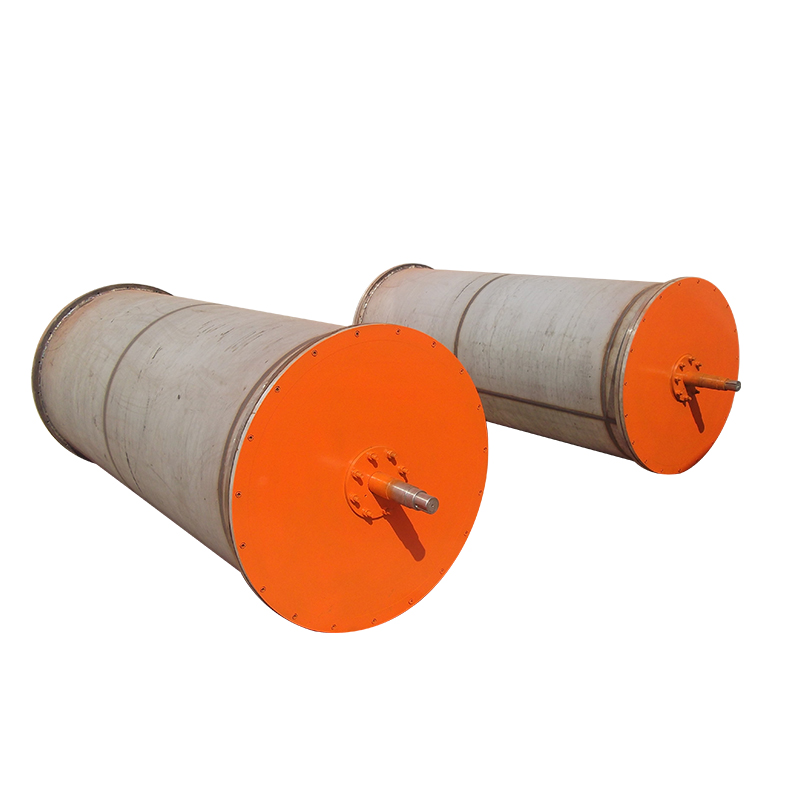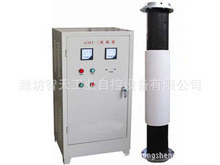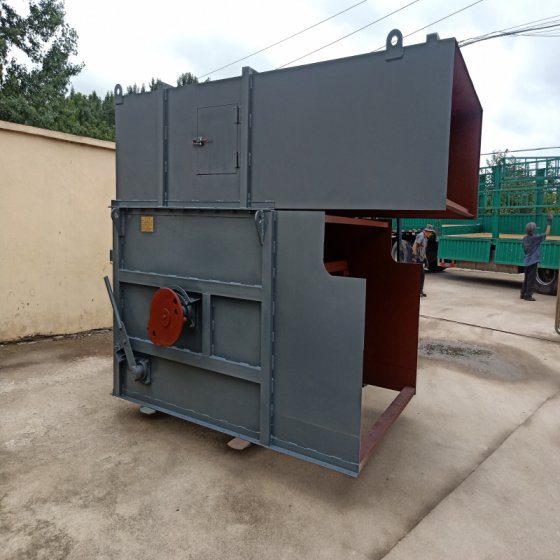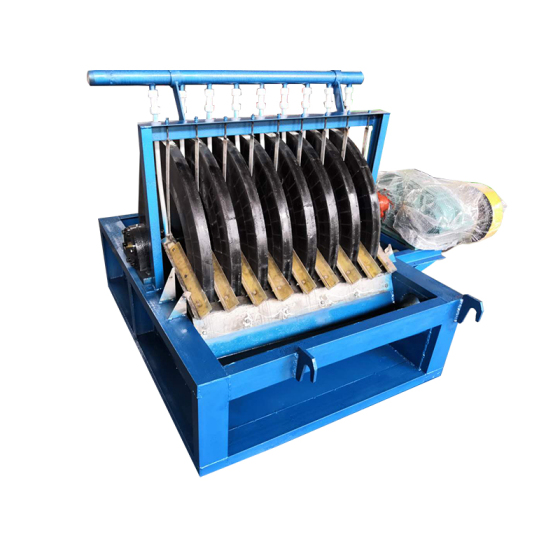



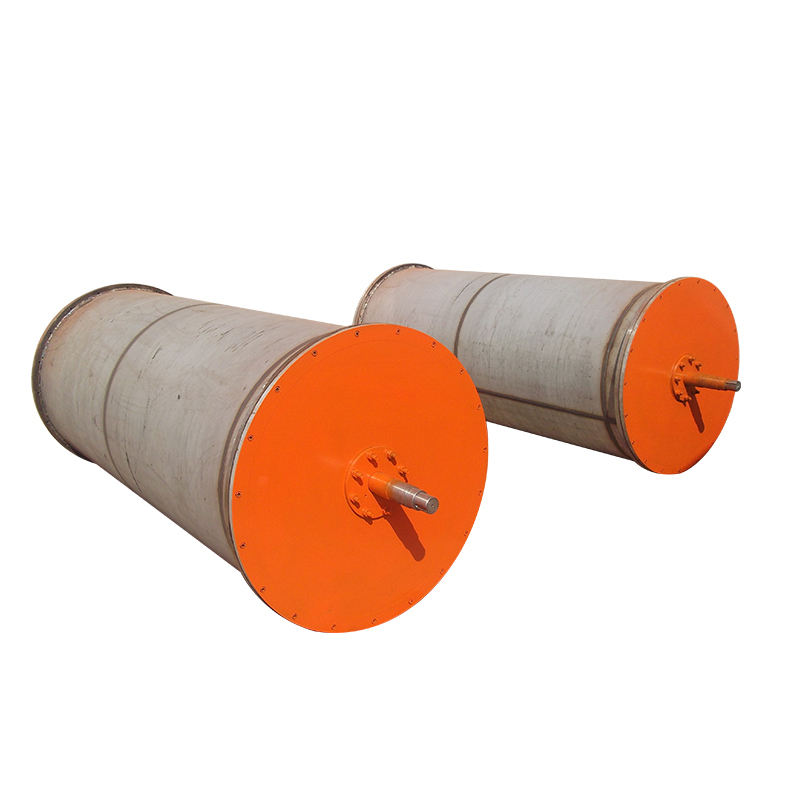
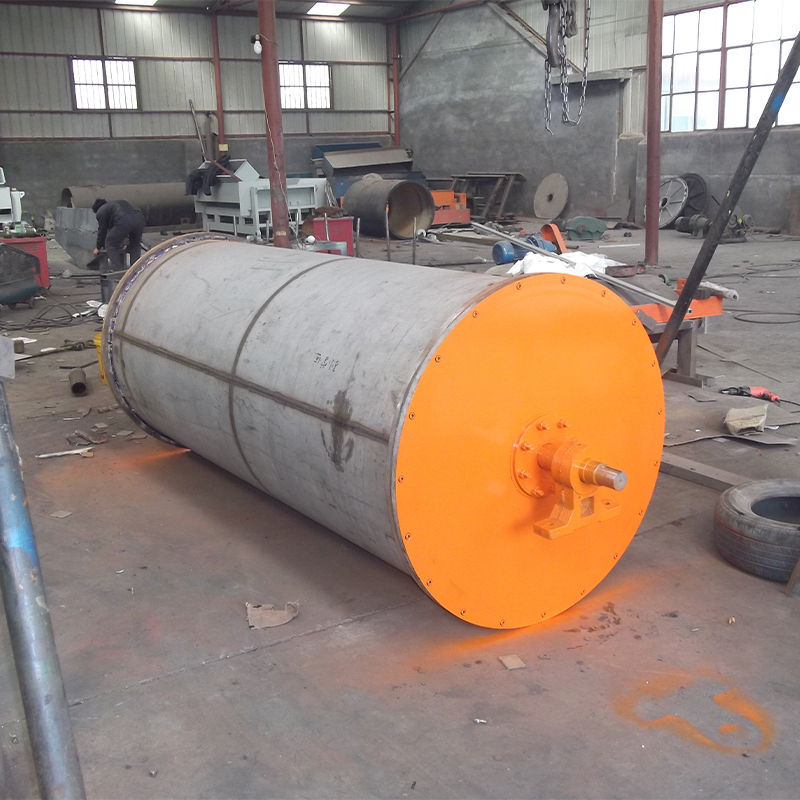
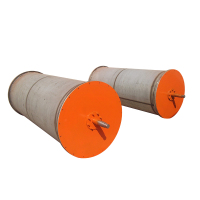
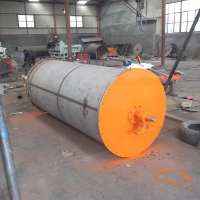
เครื่องแยกสายพานลำเลียงแม่เหล็กแบบดรัม
การกำจัดเศษหินผสม การฟื้นฟูสภาพทางธรณีวิทยา การกู้คืนแมกเนไทต์จากเศษหิน การกู้คืนเหล็กโลหะจากตะกรันเหล็ก การกำจัดของเสีย การคัดแยกโลหะที่มีประโยชน์ การปรับปรุงสิ่งแวดล้อม
- Zhitian
- มณฑลชานตง
- 3-5 วัน
- 1000 ชิ้น
- ข้อมูล
โดยทั่วไปสามารถติดตั้งได้ที่จุดปล่อยวัสดุจากสายพานลำเลียง จุดถ่ายโอน หรือตำแหน่งที่เหมาะสมอื่นๆ ที่วัสดุสามารถผ่านบริเวณแยกด้วยแม่เหล็กได้
ก่อนการติดตั้ง ควรพิจารณาปัจจัยต่อไปนี้:ความกว้างของสายพานลำเลียงความหนาของชั้นวัสดุ
ความเร็วสายพานลำเลียง
ขนาดอนุภาคของวัสดุคาดว่าจะมีการปนเปื้อนของธาตุเหล็กพื้นที่ติดตั้งที่ว่าง
ความจุการแยกที่ต้องการ
ข้อกำหนดการป้องกันอุปกรณ์ปลายทางสำหรับงานที่ซับซ้อน แนะนำให้ประเมินคุณลักษณะของวัสดุและสภาพการทำงานจริงก่อนเลือกขนาดดรัมแม่เหล็กและการจัดเรียงแม่เหล็กการซ่อมบำรุง
โครงสร้างของเครื่องแยกแม่เหล็กแบบดรัมได้รับการออกแบบมาเพื่อรองรับการบำรุงรักษาตามปกติในระดับอุตสาหกรรม
การตรวจสอบอย่างสม่ำเสมอควรเน้นไปที่สายพานลำเลียง ตลับลูกปืน ชิ้นส่วนขับเคลื่อน พื้นผิวของดรัม โครง และการสะสมของวัสดุรอบบริเวณแยกชิ้นส่วน
ควรตรวจสอบวัตถุที่เป็นเหล็กที่เก็บรวบรวมได้ระหว่างการทำงานอย่างสม่ำเสมอ แม้ว่ากระบวนการแยกอัตโนมัติจะช่วยลดงานด้วยมือ แต่การตรวจสอบเป็นประจำจะช่วยให้มั่นใจได้ถึงการทำงานที่มีเสถียรภาพในระยะยาว
การจัดแนวสายพานลำเลียงให้ถูกต้องและการตรวจสอบชิ้นส่วนกลไกอย่างสม่ำเสมอสามารถช่วยยืดอายุการใช้งานของอุปกรณ์ได้เช่นกัน
โซลูชันการแยกด้วยแม่เหล็กแบบกำหนดเอง
สายการผลิตแต่ละประเภทมีความต้องการการแยกด้วยแม่เหล็กที่แตกต่างกัน โรงงานรีไซเคิลอาจต้องจัดการกับโลหะผสมจำนวนมาก ในขณะที่โรงงานผลิตปูนซีเมนต์หรือเหมืองแร่ อาจต้องการกำจัดเศษเหล็กที่ปะปนอยู่เป็นครั้งคราวเพื่อปกป้องอุปกรณ์ในขั้นตอนถัดไปเป็นหลัก
ด้วยเหตุนี้
เครื่องแยกสายพานลำเลียงแม่เหล็กแบบดรัม
สามารถปรับแต่งได้ตามสภาพกระบวนการจริงของลูกค้า
ปัจจัยสำคัญในการเลือก ได้แก่ ประเภทวัสดุ ความจุ ขนาดอนุภาค ความกว้างของสายพาน ความเร็วของสายพานลำเลียง ระดับการปนเปื้อนของเหล็ก ตำแหน่งการติดตั้ง และความแรงของสนามแม่เหล็กที่ต้องการ
โดยพิจารณาจากพารามิเตอร์เหล่านี้ สามารถเลือกขนาดเส้นผ่านศูนย์กลางของดรัม ระบบแม่เหล็ก ขนาดสายพานลำเลียง ระบบขับเคลื่อน และการกำหนดค่าโดยรวมของอุปกรณ์ได้อย่างเหมาะสมระบบแยกโลหะเหล็กที่เชื่อถือได้สำหรับระบบลำเลียงเดอะ
เครื่องแยกสายพานลำเลียงแม่เหล็กแบบดรัม
นำเสนอโซลูชันที่ใช้งานได้จริงสำหรับการกำจัดโลหะเหล็กออกจากกระแสวัสดุจำนวนมากอย่างต่อเนื่อง
ด้วยการผสมผสานระหว่างการลำเลียงด้วยสายพานและการแยกด้วยแม่เหล็ก ทำให้เครื่องจักรนี้เหมาะสำหรับอุตสาหกรรมเหมืองแร่ วัสดุก่อสร้าง ซีเมนต์ ถ่านหิน การรีไซเคิล เคมีภัณฑ์ ปุ๋ย และอุตสาหกรรมอื่นๆ
ด้วยการกำจัดเหล็กที่ไม่ต้องการออกไปก่อนที่จะถึงอุปกรณ์แปรรูปที่ละเอียดอ่อน เครื่องแยกเหล็กจึงสามารถช่วยปรับปรุงคุณภาพของวัสดุ ลดความเสี่ยงต่อความเสียหายของอุปกรณ์ในขั้นตอนถัดไป และทำให้การจัดการวัสดุในแต่ละวันง่ายขึ้น
สำหรับโครงการที่ต้องการอุปกรณ์แยกแม่เหล็กแบบกำหนดเอง ระบบสามารถออกแบบได้ตามขนาดของสายพานลำเลียง คุณลักษณะของวัสดุ กำลังการผลิต และสภาพของสถานที่ติดตั้ง
The magnetic drum provides a concentrated magnetic field around the separation area. The magnetic configuration can be selected according to the type, size, and quantity of iron contamination expected in the material.
For applications with larger iron pieces or higher contamination levels, the magnetic system can be configured accordingly.
Simple Mechanical Structure
Compared with complicated sorting systems, a drum magnetic separator has a relatively straightforward mechanical structure.
The main components are easy to inspect and maintain, which is useful for industrial plants requiring long operating hours.
Suitable for Continuous Conveying Systems
The equipment can be integrated with existing belt conveyors and material handling systems.
It can be installed at conveyor discharge points, material transfer points, or other suitable locations where effective magnetic separation is required.
Reduced Risk of Equipment Damage
Removing tramp iron before the material enters crushers, grinders, mills, screens, or other downstream equipment can help reduce the risk of damage caused by unwanted metal objects.
For mining and aggregate applications, this can be particularly important because large pieces of iron may cause serious mechanical problems in downstream machinery.
Typical Applications
The Drum Magnetic Belt Conveyor Separator is suitable for a wide range of bulk material processing applications.
Mining
Used for separating iron contaminants from ore, crushed rock, and other mineral materials. It can also be installed before crushers and screening equipment to protect downstream machinery.
Aggregate and Quarry
The separator can remove tramp iron from crushed stone, sand, gravel, and other aggregate products.
Cement Industry
It can be used in raw material conveying and clinker-related material handling systems to remove unwanted ferrous metal.
Coal Processing
The magnetic drum separator can help remove iron pieces and other ferrous contaminants from coal transported by belt conveyors.
Recycling
In recycling plants, the equipment can separate ferrous metals from various bulk material streams and improve the quality of the remaining material.
Chemical and Fertilizer Plants
For bulk powders and granular products, magnetic separation can be used to remove iron contamination introduced during production, conveying, or handling.
Advantages of Drum Magnetic Belt Conveyor Separator
One of the main advantages of a Drum Magnetic Belt Conveyor Separator is its ability to combine material conveying and magnetic separation into a continuous process.
There is no need to stop the conveyor every time ferrous material needs to be removed. The rotating drum performs the separation while the material is continuously transported.
Another advantage is its relatively low operating complexity. Permanent magnetic systems do not require continuous electrical power to generate the magnetic field, which can help reduce operating requirements.
The equipment can also be customized according to conveyor width, material capacity, particle size, material characteristics, and required magnetic strength.
Technical Parameters
| Parameter | Specification |
|---|---|
| Equipment Type | Drum Magnetic Belt Conveyor Separator |
| Magnetic Type | Permanent Magnetic |
| Application | Ferrous Metal Separation |
| Material | Ore, coal, aggregate, cement, fertilizer, recycling materials, etc. |
| Feeding Method | Belt Conveyor |
| Separation Method | Continuous Magnetic Separation |
| Drum Diameter | Customized |
| Conveyor Width | Customized |
| Processing Capacity | Customized according to project requirements |
| Magnetic Intensity | Customized according to application |
| Belt Speed | Adjustable according to process requirements |
| Drive System | Geared Motor |
| Installation | Horizontal / Customized |
| Control | Local Control / Integrated Control System |
The final configuration should be determined according to material density, particle size, conveyor speed, belt width, iron contamination, and required separation performance.
Installation Position
The installation location has a direct influence on separation performance.
The Drum Magnetic Belt Conveyor Separator can generally be installed at a conveyor discharge point, transfer section, or other suitable position where the material can pass through the magnetic separation zone.
Before installation, the following factors should be considered:
Conveyor belt width
Material layer thickness
Conveyor speed
Material particle size
Expected iron contamination
Available installation space
Required separation capacity
Downstream equipment protection requirements
For difficult applications, it is recommended to evaluate the material characteristics and actual working conditions before selecting the magnetic drum size and magnetic configuration.
Maintenance
The structure of the drum magnetic separator is designed for routine industrial maintenance.
Regular inspection should focus on the conveyor belt, bearings, drive components, drum surface, frame, and material buildup around the separation area.
Ferrous objects collected during operation should also be checked regularly. Although the automatic separation process reduces manual work, routine inspection helps ensure stable long-term operation.
Proper alignment of the conveyor and regular inspection of mechanical components can also help extend equipment service life.
Customized Magnetic Separation Solutions
Different production lines have different requirements for magnetic separation. A recycling plant may deal with a large amount of mixed metal, while a cement or mining plant may mainly need to remove occasional tramp iron to protect downstream equipment.
For this reason, the Drum Magnetic Belt Conveyor Separator can be configured according to the customer's actual process conditions.
Important selection factors include material type, capacity, particle size, belt width, conveyor speed, iron contamination level, installation position, and required magnetic field strength.
Based on these parameters, the drum diameter, magnetic system, conveyor dimensions, drive system, and overall equipment configuration can be selected accordingly.
Reliable Ferrous Metal Separation for Conveyor Systems
The Drum Magnetic Belt Conveyor Separator provides a practical solution for continuous removal of ferrous metal from bulk material streams.
Its combination of conveyor feeding and magnetic separation makes it suitable for mining, aggregate, cement, coal, recycling, chemical, fertilizer, and other industries.
By removing unwanted iron before it reaches sensitive processing equipment, the separator can help improve material quality, reduce the risk of downstream equipment damage, and simplify daily material handling operations.
For projects requiring customized magnetic separation equipment, the system can be designed according to conveyor dimensions, material characteristics, processing capacity, and site conditions.